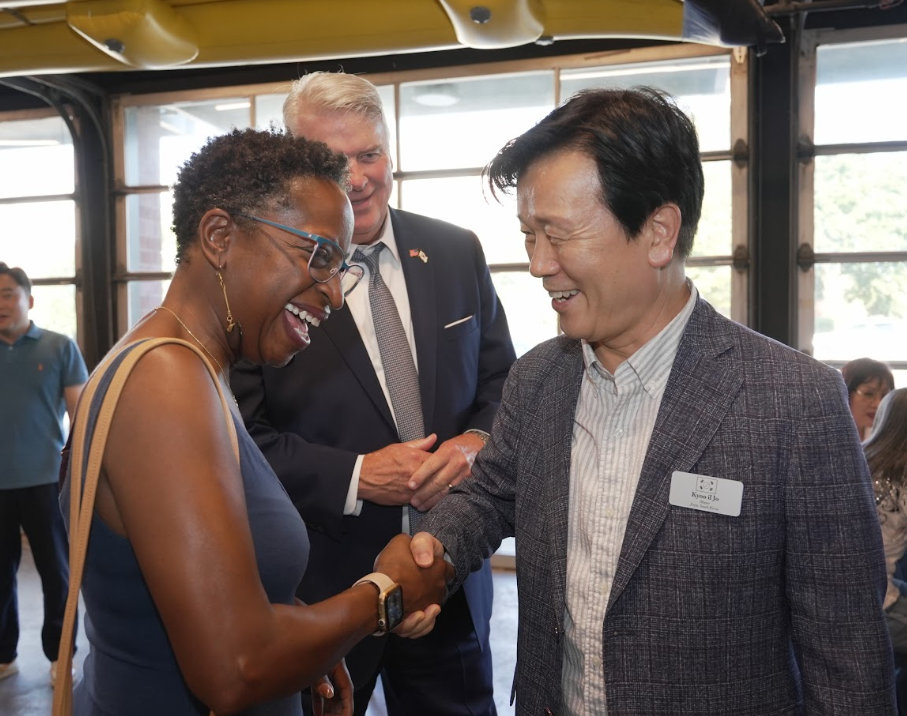
Columbus welcomed a delegation from Jinju, South Korea, September 2–5 for a four-day visit focused on strengthening the growing relationship between the two sister cities.
Led by Jinju Mayor Kyoo Il Jo, the delegation included city officials as well as representatives from Jinju’s business community, Chamber of Commerce and Industry, aerospace sector, tourism sector, and K-Entrepreneurship Foundation.
The visit followed a Columbus delegation’s trip to Jinju in October 2025, when Columbus Mayor Skip Henderson, Columbus State University President Dr. Stuart Rayfield, Choose Columbus President and CEO Missy Kendrick, Executive Vice President of Strategy Andy Hilmes, and other community leaders traveled to South Korea as the two cities began building a partnership centered on education, culture, business, and economic development.
Choose Columbus was also actively involved throughout the visit. Missy Kendrick and Andy Himes participated in events with the Jinju delegation, helping showcase Columbus’ business community, workforce-development resources, educational institutions, and quality of life.
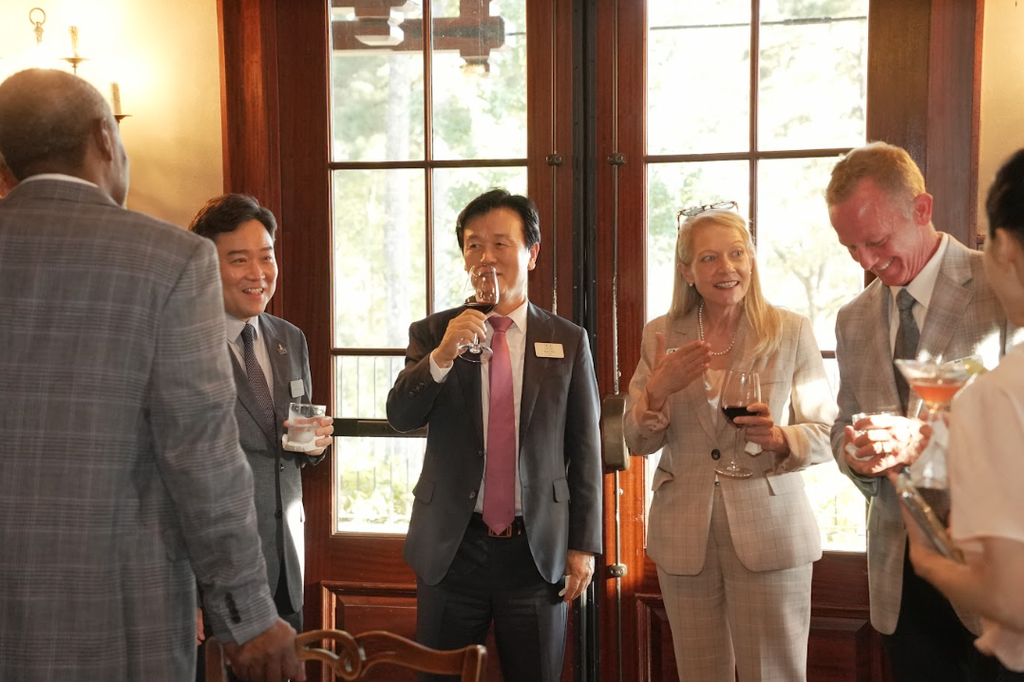
Starting the Visit with Baseball
The delegation arrived in Columbus on September 2 and began its visit with something distinctly American: a Columbus Clingstones baseball game.
Mayor Jo threw the ceremonial first pitch. Speaking with WTVM, Mayor Jo described Columbus as his American hometown because of the cities’ sister-city relationship.
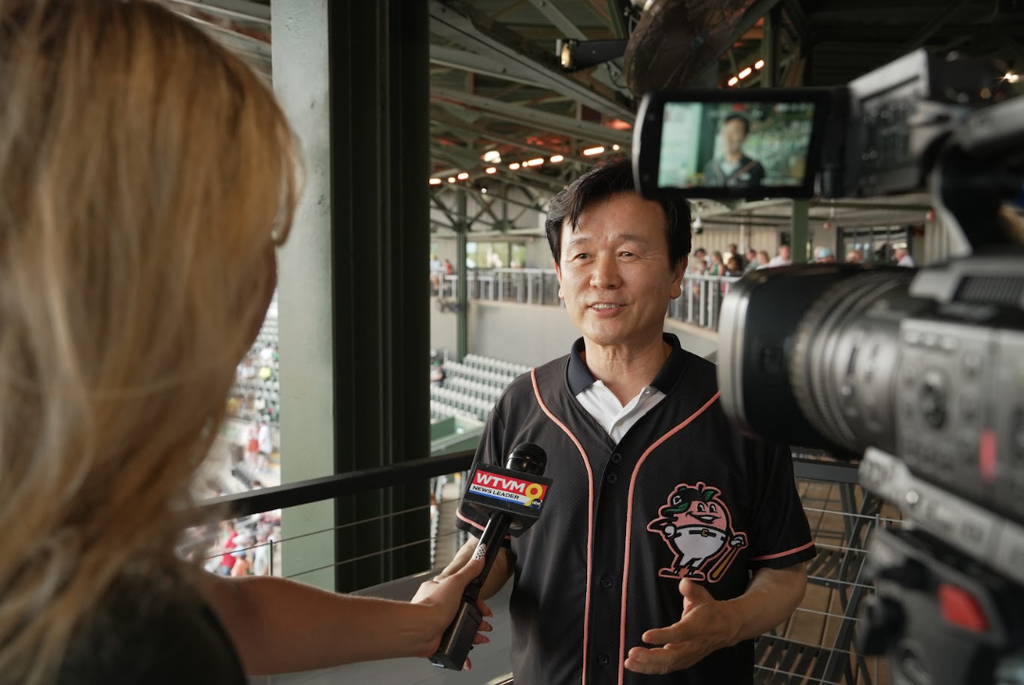
Mayor Henderson noted that baseball provided an informal way for leaders from the two communities to connect before beginning a much fuller schedule of business, educational, and civic meetings.
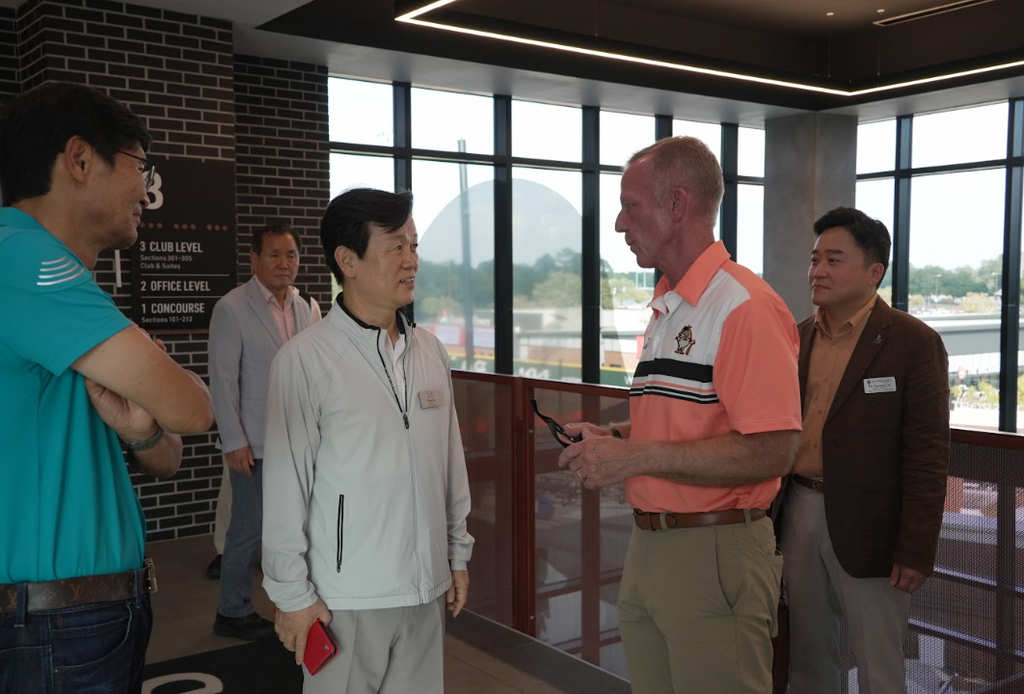
Connecting Two Aerospace Communities
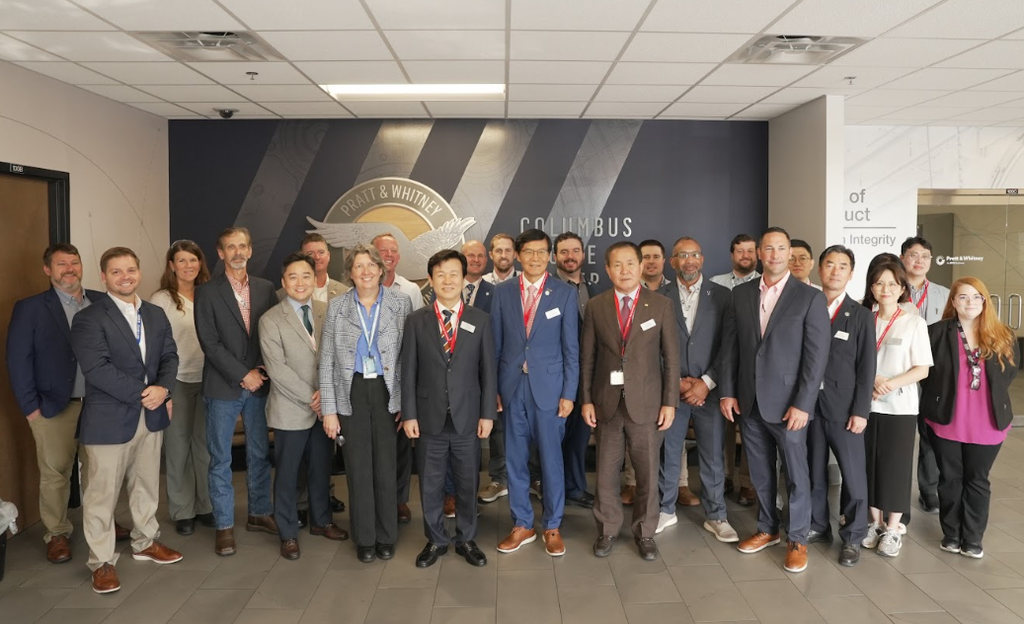
One of the delegation’s first major stops was the Pratt & Whitney Columbus Engine Center.
The visit was particularly relevant because both Columbus and Jinju have strong connections to aerospace and advanced manufacturing.
During the visit, the delegation learned about Pratt & Whitney’s Columbus operations while also sharing information about Jinju’s aerospace industry.
Showing Columbus’ Workforce Development Model
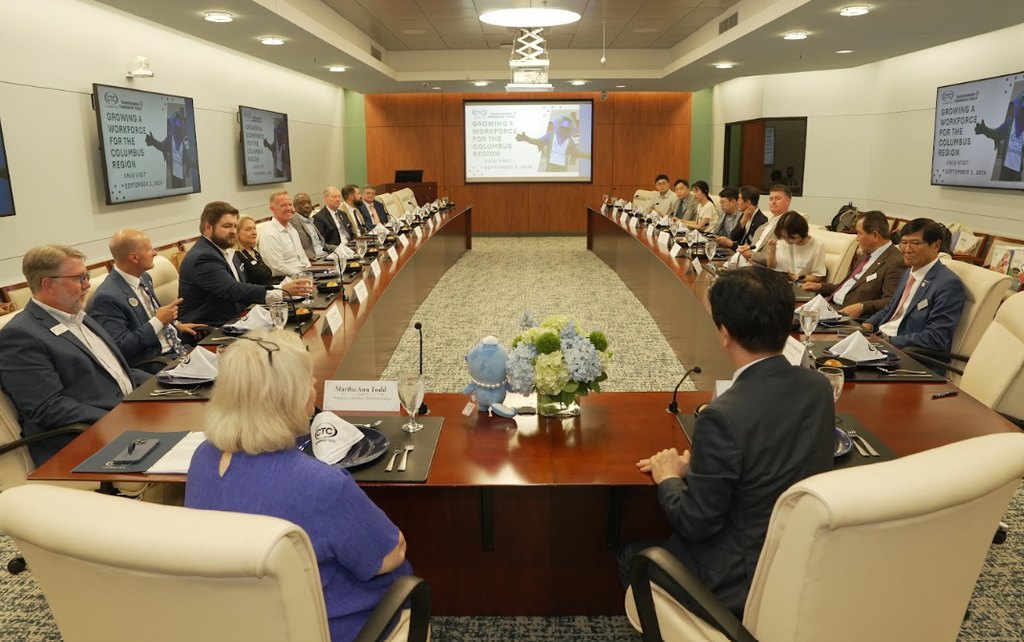
The delegation next visited Columbus Technical College for working lunch with a workforce-development focused discussion.
The program highlighted an important part of the Columbus economic-development model: cooperation among employers, educational institutions, government, and community organizations to achieve alignment of effort
Columbus Technical College discussed apprenticeship opportunities, students being hired as machinists while earning college credit, and specialized industry training developed around employers’ workforce needs.
For Choose Columbus, workforce development is an essential part of attracting and supporting employers.
Companies considering a new location need more than available buildings, land, and incentives. They also need access to skilled workers and an education system capable of responding to changing industry needs.
The Columbus Technical College visit gave the Jinju delegation a firsthand look at how the region connects employers with education and workforce training to optimize outcomes for both employees and employers alike
Strengthening the Sister-City Relationship
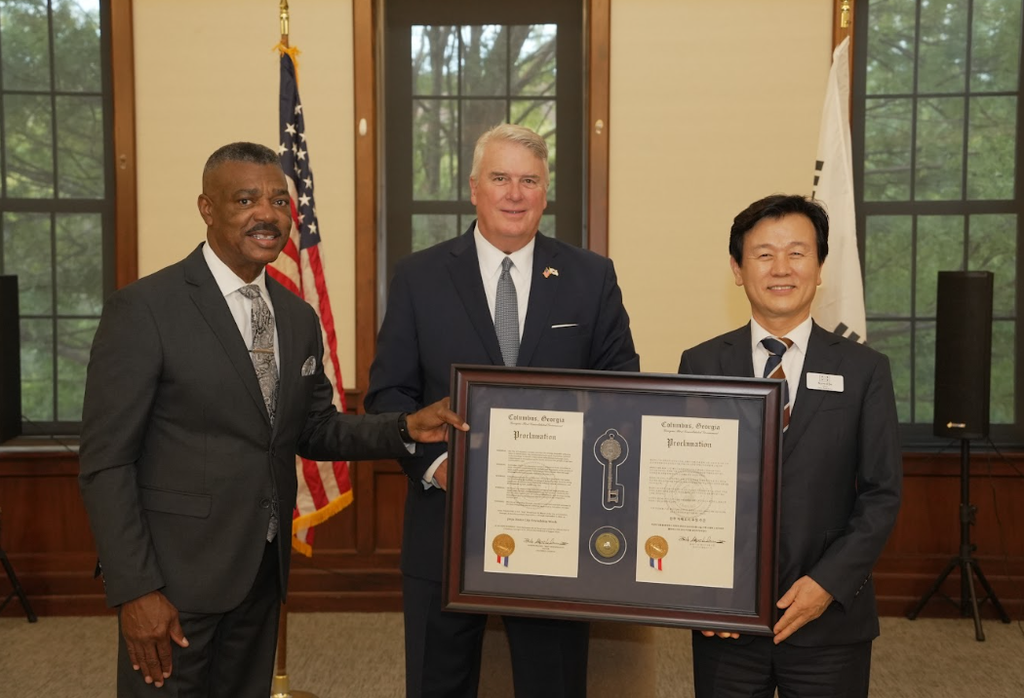
At the Columbus Government Center, Mayor Henderson and Mayor Jo participated in a ceremony formally recognizing the relationship between the two cities.
Local students from Rainey-McCullers School of the Arts performed during the program, adding an educational and cultural component to the event.
Mayor Henderson described Jinju and Columbus as communities that share several similarities and said the partnership creates opportunities for each city to learn from the other.
That idea is central to a successful sister-city relationship.
The goal is not simply to exchange official visits. It is to create relationships among businesses, schools, universities, government organizations, and community leaders that continue after the delegations return home.
Building Connections Between Students
Education was another major focus of the visit.
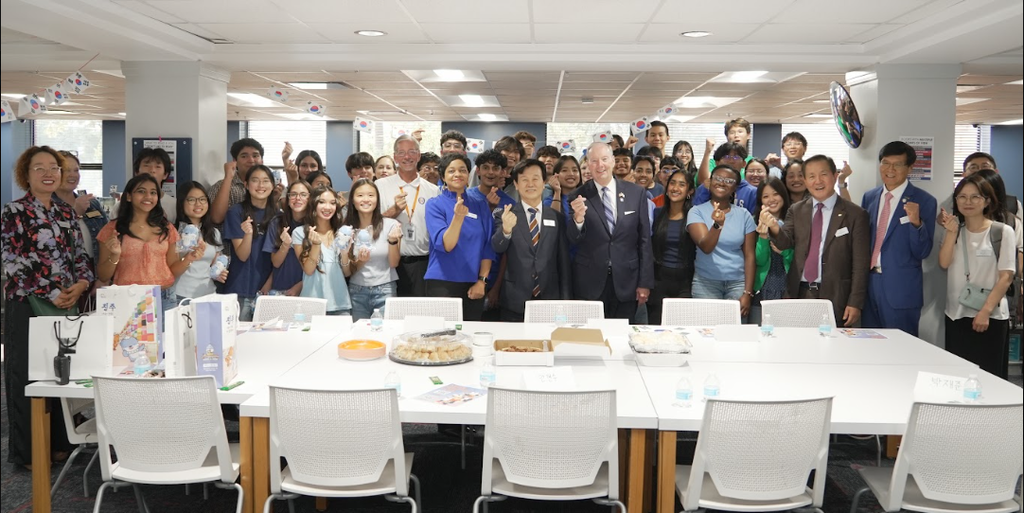
At Columbus High School, the Jinju delegation met with local students and school leaders as the two communities continued work on future student exchanges.
An exchange gives students an opportunity to experience another country, culture, school system, and way of life at an age when those experiences can influence how they see the world for years to come.
It also creates connections between families, teachers, schools, and communities.
The Columbus-Jinju relationship therefore has the potential to become much more than a government-to-government partnership. It can become a relationship between the next generation of both cities.
Sharing Columbus with the Jinju Delegation
The delegation also experienced several places that help define Columbus.
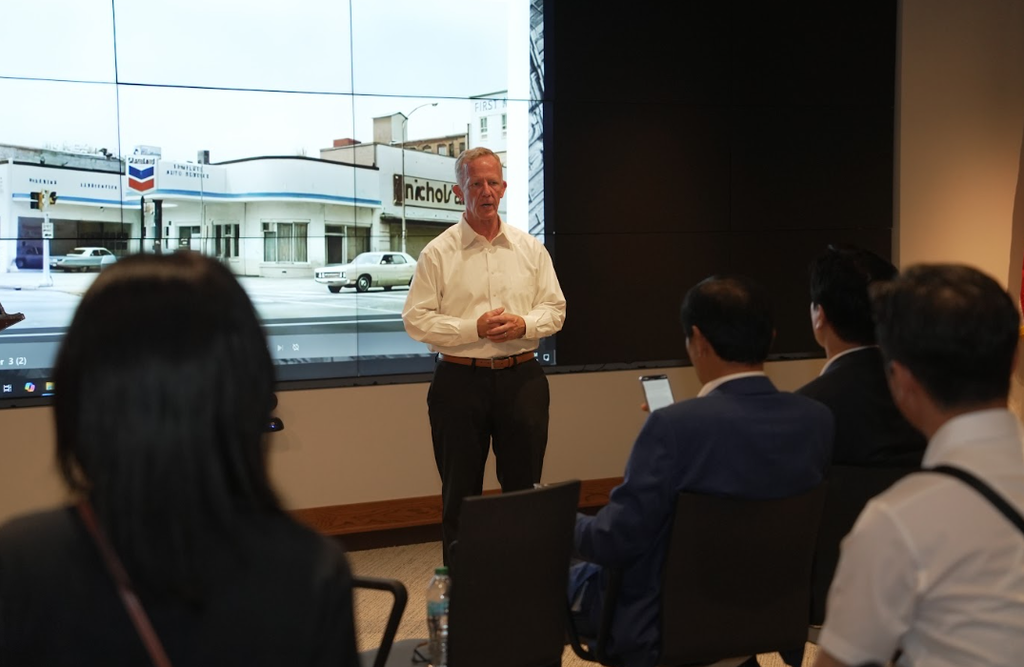
A walk along the Chattahoochee RiverWalk and a visit to the W.C. Bradley Museum provided an opportunity to see how Columbus has transformed its riverfront into a community, tourism, recreation, and economic-development asset.
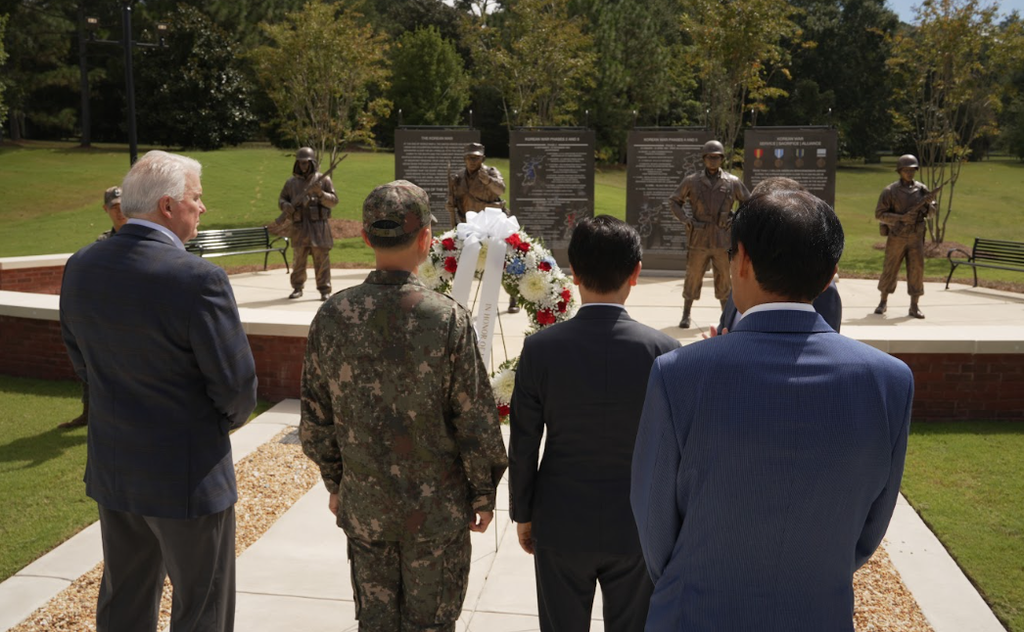
At the National Infantry Museum, the delegation toured the museum and participated in a wreath-laying ceremony at the Korean War Memorial with Republic of Korea Army personnel training at Fort Benning.
The visit reflected another important connection between Columbus and South Korea: the long relationship between the U.S. and South Korean military communities.
Columbus State University and the Next Generation
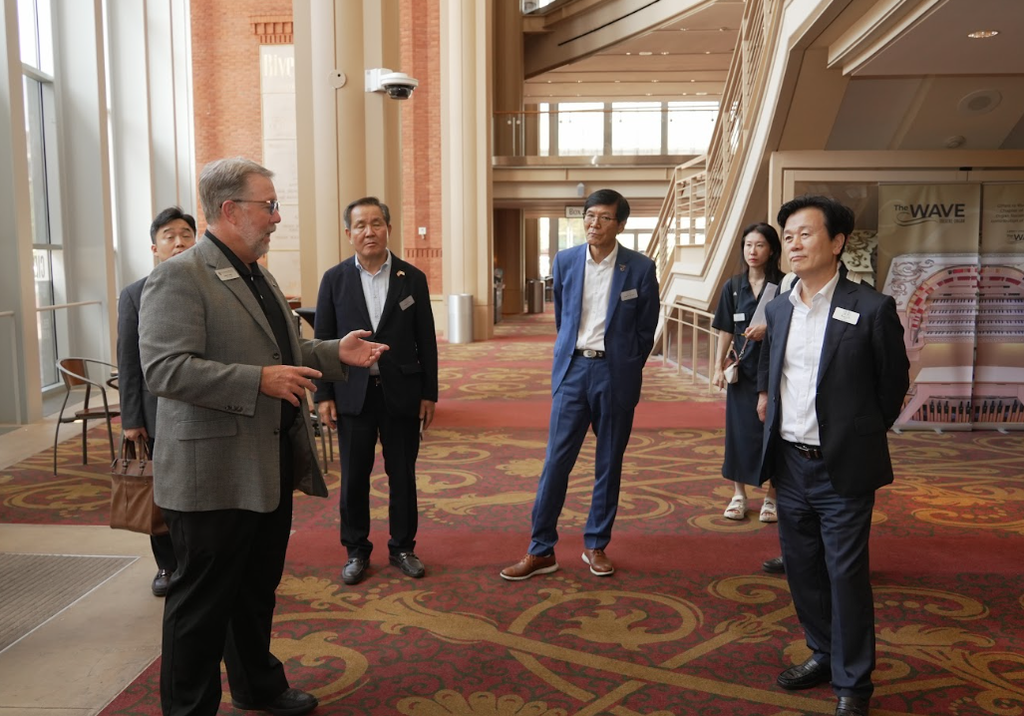
The delegation concluded its Columbus program with visits to Columbus State University’s RiverPark campus, including the Coca-Cola Space Science Center and the Schwob School of Music.
The Korean Institute at Columbus State University (KICS) played an important role in helping organize the delegation’s visit and has become an important part of the growing relationship between Columbus and South Korea.
The university connection expands the possibilities for future cooperation.
Those possibilities could include student exchanges, faculty collaboration, entrepreneurship programs, cultural programs, research, and workforce-development initiatives.
The delegation’s CSU visit also connected naturally with the broader economic-development discussions taking place throughout the week.
From Sister Cities to Working Partners
Sister-city agreements can sometimes remain mostly symbolic.
The Columbus-Jinju relationship has the opportunity to be different.
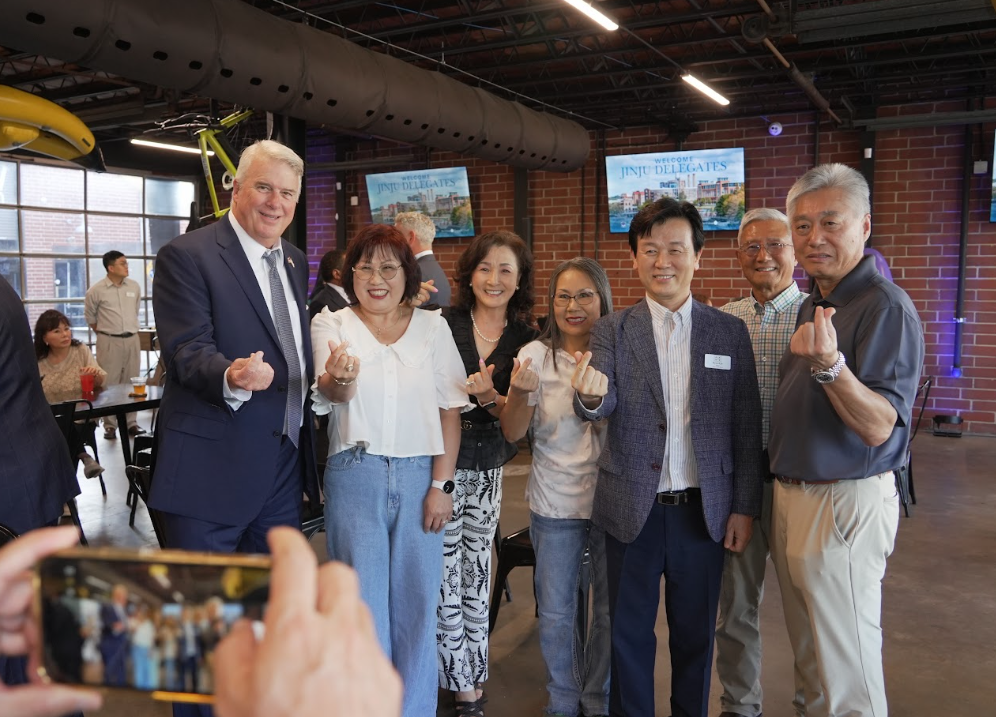
During four days in Columbus, representatives from the two cities discussed aerospace, workforce development, education, entrepreneurship, tourism, culture, and community development.
They visited manufacturers.
They met business and economic-development leaders.
They visited schools and colleges.
They saw Columbus’ riverfront.
They explored aerospace manufacturing and workforce training.
Missy Kendrick and Andy Himes represented Choose Columbus during the visit and participated alongside city, education, business, and community leaders as Columbus introduced the Jinju delegation to the region’s economic assets and opportunities.
That broad participation is important because lasting international relationships rarely depend on a single organization or official.
They become stronger when businesses, schools, universities, economic-development organizations, and community groups develop their own relationships.
For Choose Columbus, the Jinju partnership represents an opportunity to introduce Columbus to a broader international audience while building relationships that could support future business investment, workforce collaboration, education, tourism, and cultural exchange.
The Columbus-Jinju relationship is still young, but the foundation is being built.
The next step is turning conversations and visits into lasting programs, student exchanges, business relationships, and economic opportunities.
That is where a sister-city relationship can become something more: a working partnership that creates opportunities for both communities.